Cruise Control in Cars: How It Works and Its Benefits
Car making has advanced noticeably in recent years, making cars smarter and more comfortable for the driver and passengers alike. With modern technology entering driving, cruise control emerged as one of the important innovations that changed the concept of highway driving.
The system lets the driver hold the car’s speed without constantly pressing the accelerator pedal, making driving more comfortable and stable, especially on long trips. As technology developed, advanced systems such as smart or adaptive cruise control appeared, which control the car’s speed automatically based on the traffic ahead, achieving an ideal balance of comfort and safety.
Its benefits are not limited to comfort; they also include fuel savings, less physical fatigue for the driver, and keeping the car steady on straight roads. That is why it has become a feature everyone who wants a modern car looks for, combining comfort, technology and safety.
In this article we look at how cruise control works, its types, its benefits, how to use it safely, and the main reasons it should be in every modern driver’s car. To compare cars that have it, see the types of cars in Saudi Arabia guide.
How does the cruise control system work?
Cruise control relies on a set of sensors and an electronic control unit that interact with the engine system and accelerator pedal to hold a constant speed without driver intervention.
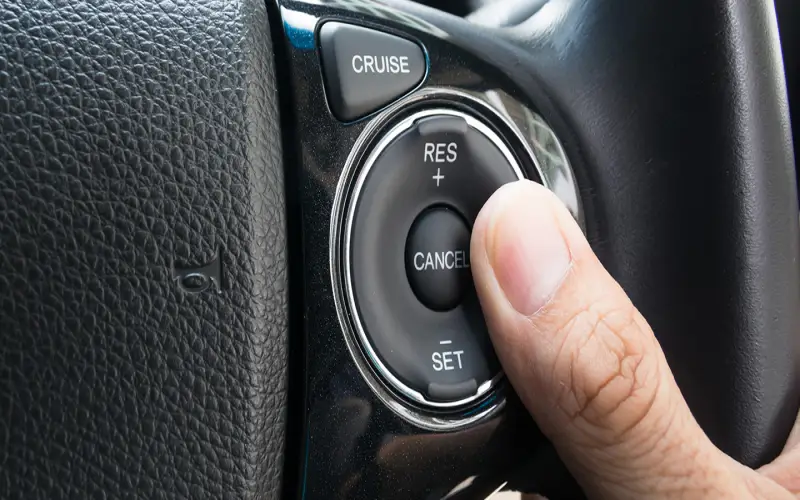
When the system is activated, the car’s computer reads the current speed and holds it, and the driver can increase or decrease it easily using the buttons on the steering wheel or control panel.
If the car meets an uphill or downhill road, the system automatically increases or reduces power to keep the same set speed.
In cars with adaptive or smart cruise control, radar sensors and front cameras monitor the distance between the car and other vehicles. When approaching a slower vehicle, the system reduces speed automatically to keep a safe distance, then accelerates again when the road clears.
This technology gives the driver ideal control and a more comfortable, safer driving experience, especially on highways or long trips. Read also: the car finance requirements in Saudi Arabia.
Types of cruise control in modern cars
Cruise control systems vary with car technology and can be classified into four main types:
1. Conventional cruise control
The basic system that lets the driver hold speed manually, with no system involvement in controlling distance from other vehicles.
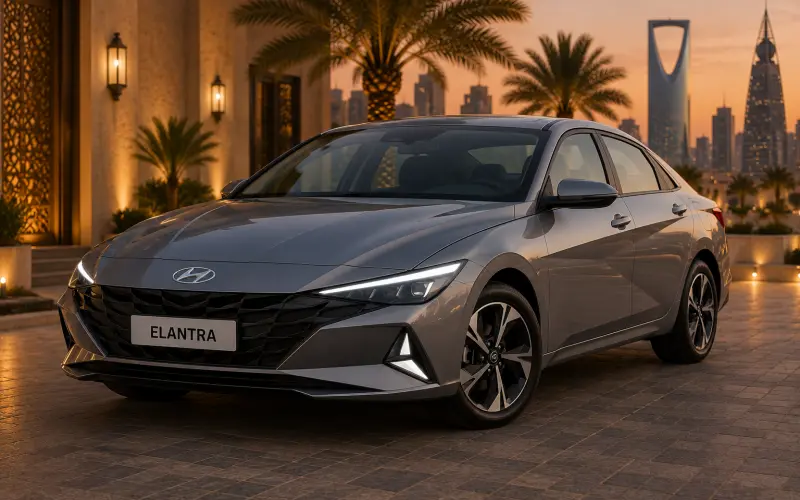
- Cars that have it: the Hyundai Elantra and Kia K5 in their base trims.
2. Adaptive cruise control (ACC)
A more advanced system that uses front sensors and radar to monitor the distance between your car and the cars ahead, and automatically reduces or increases speed to keep a safe distance.
- Found in cars such as the Toyota Camry 2025 (see the Toyota Camry LE 2026), Honda CR-V 2025 and Jeep Grand Cherokee.
3. Smart cruise control
Interacts with traffic and can stop completely and then pull away again when other cars move, with no driver intervention.
- Available in luxury cars such as the Hyundai Palisade, Kia Telluride and BMW X5.
4. Cruise control with lane assist
Combines smart cruise control with a lane-keeping assist system, letting the car do light steering automatically to hold its lane.
- Used in cars such as the Tesla Model Y, Mercedes EQS and Hyundai Ioniq 6.
Benefits of cruise control in daily driving and travel
Cruise control is no longer a feature just for travel; it has become one of the systems that give the driver real comfort on all kinds of trips. The main benefits:
- More comfort while driving: reduces driver fatigue on long trips and gives calmer, steadier driving.
- Fuel savings: helps hold speed at a steady level, reducing the fuel use caused by repeated acceleration and slowing.
- Increased safety: keeps speed within safe limits and prevents sudden acceleration or speeding.
- Ideal control on long roads: lets the driver focus on the road rather than the accelerator pedal, reducing distraction.
- Integration with smart safety systems: in modern systems, it works with collision sensors and cameras to monitor the road automatically.
When talking about comfort and safety technologies such as cruise control, it is important to choose a complete car that offers a comfortable, safe drive for the whole family. See our detailed guide to the best-selling cars in Saudi Arabia 2026 for options that combine space, comfort and modern technology for daily trips and long travel. For a family-focused pick, read the best 5 family cars in Saudi Arabia.
How to use cruise control correctly
To avoid mistakes while using the system, follow these steps:
- Start driving normally until you reach the desired speed (usually between 80 and 120 km/h).
- Activate the system by pressing the “CRUISE” or “ON” button.
- Set the speed by pressing the “SET” button.
- Increase or decrease using the “+ / -” buttons.
- Temporarily disable the system: use the “CANCEL” button or press the brake pedal.
- Reactivate: press “RESUME” and the car returns to the previous speed.
Important notes
- Do not use the system inside cities, in rain, or on sharp curves.
- When driving on a steep slope, it is better to control speed manually.
When is cruise control not recommended?
Despite its many benefits, there are situations where it is better to avoid using the system for safety:
- When driving in rain or fog, where tire grip is reduced.
- On mountain roads and long slopes.
- Inside cities and areas crowded with curves or traffic lights.
Why choose a car with cruise control?
- Having cruise control in a car is no longer a luxury but a practical necessity for anyone who wants comfortable, safe, economical driving.
- It ensures a stable driving experience, fuel savings and more precise speed control, especially on long roads.
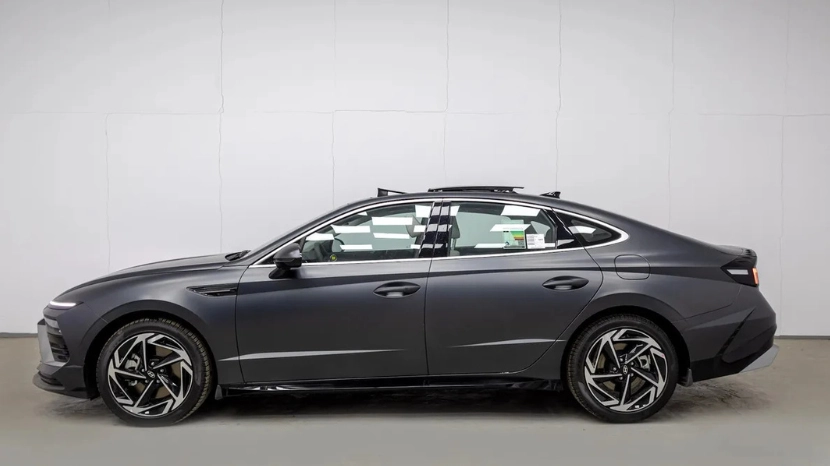
- When you choose a modern car such as the Toyota Camry, Hyundai Sonata or Kia Sportage, you will find cruise control one of the most important systems, giving invaluable comfort on every trip. Read more about the Hyundai Sonata 2026.
-
1
Sedan
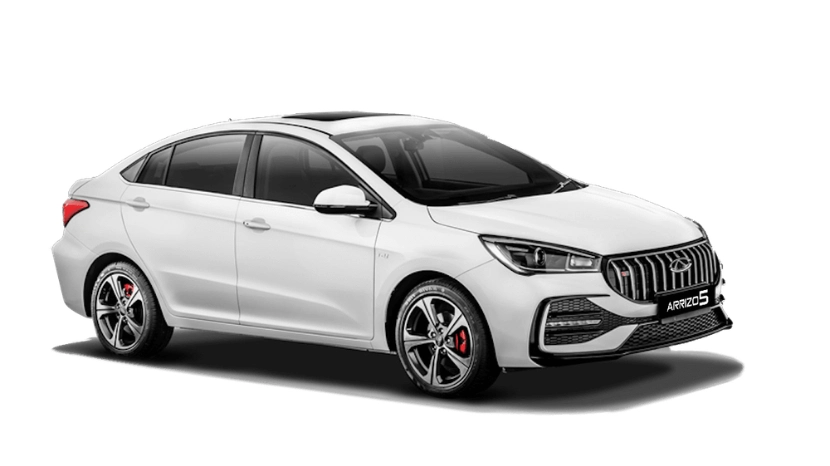
Chery Arrizo 5 Pro Comfort 2026 | Full Specifications & Features
-
12
-
2
-
4
-
3